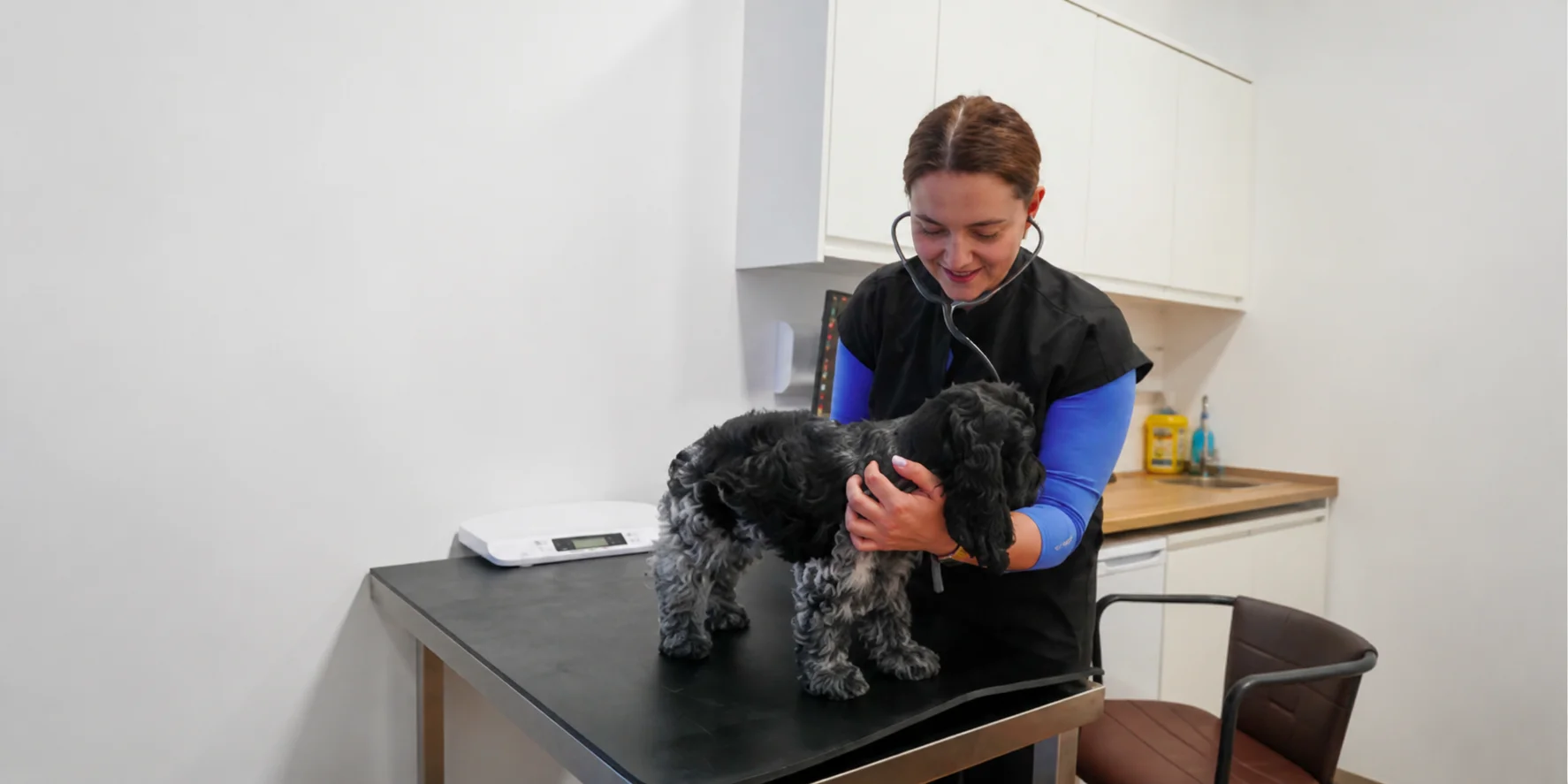
At Bluebell Vets, we provide gentle and professional anal gland care to help keep your dog comfortable and healthy. While many dogs naturally empty their anal glands during normal bowel movements, some pets experience blocked or impacted glands that can become painful if left untreated.
Our experienced veterinary team can assess your pet, identify the underlying cause of the problem, and recommend the most appropriate treatment to relieve discomfort and help prevent recurring issues.
What Are Anal Glands?
Anal glands (also known as anal sacs) are two small glands located just inside your dog’s anus. These glands contain a strong-smelling fluid that is normally released during bowel movements and helps dogs communicate through scent.
When the glands do not empty properly, the fluid can build up, leading to irritation, impaction, infection, or abscess formation.
Signs Your Dog May Need Anal Gland Treatment
Your pet may benefit from an examination if you notice:
- Scooting along the floor
- Excessive licking or chewing around the tail
- A strong fishy odour
- Swelling or redness near the anus
- Difficulty sitting comfortably
- Pain during bowel movements
- Blood or discharge around the anal area
Early treatment can help prevent more serious complications.
Our Anal Gland Services
At Bluebell Vets, we offer:
- Comprehensive veterinary examination
- Safe and gentle anal gland expression when appropriate
- Diagnosis of impacted or infected glands
- Treatment for inflammation and infection
- Pain management where required
- Advice on diet and long-term prevention
- Ongoing management for pets with recurring anal gland problems
Every pet receives an individual treatment plan based on their symptoms and medical history.
Diagnosis & Treatment
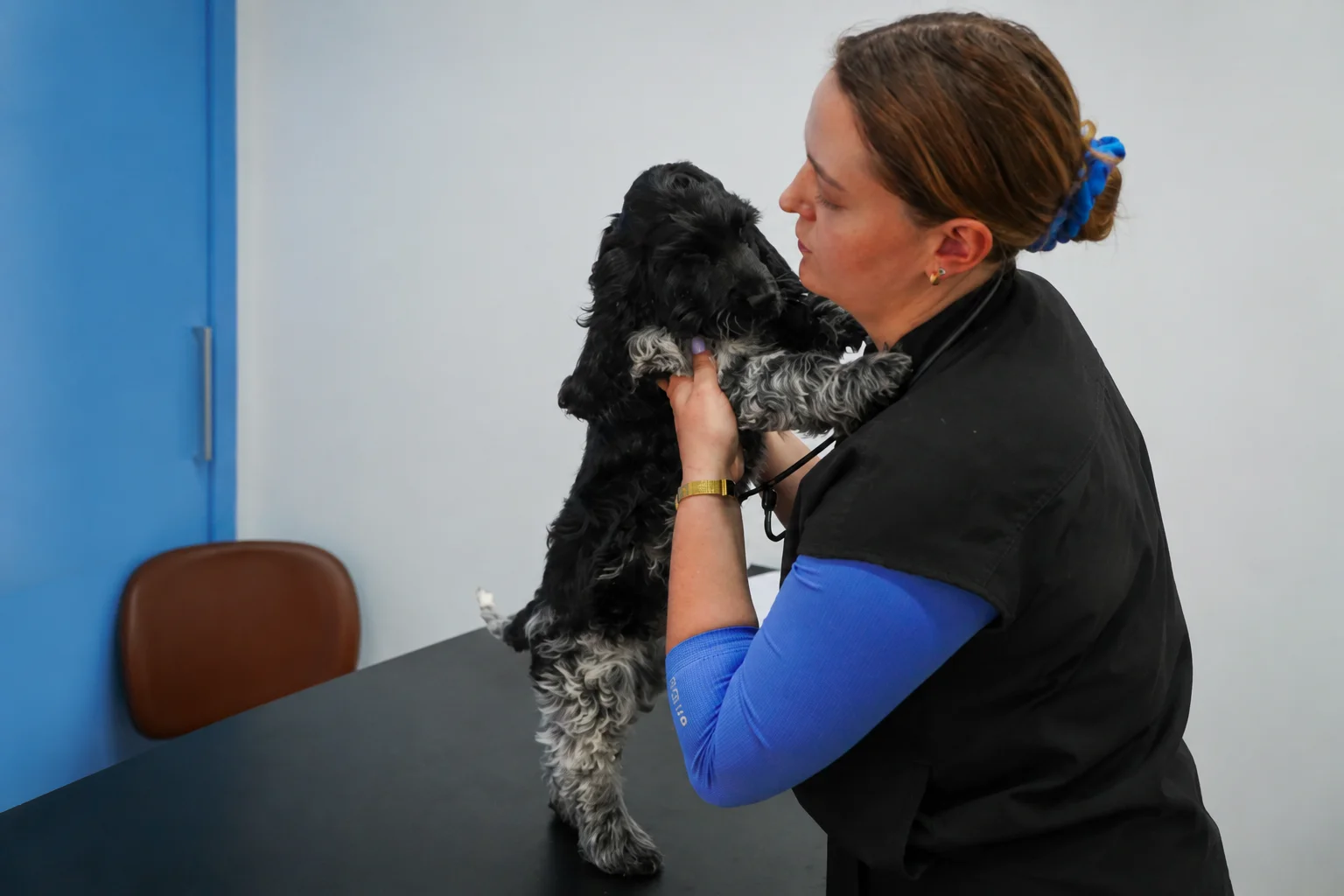
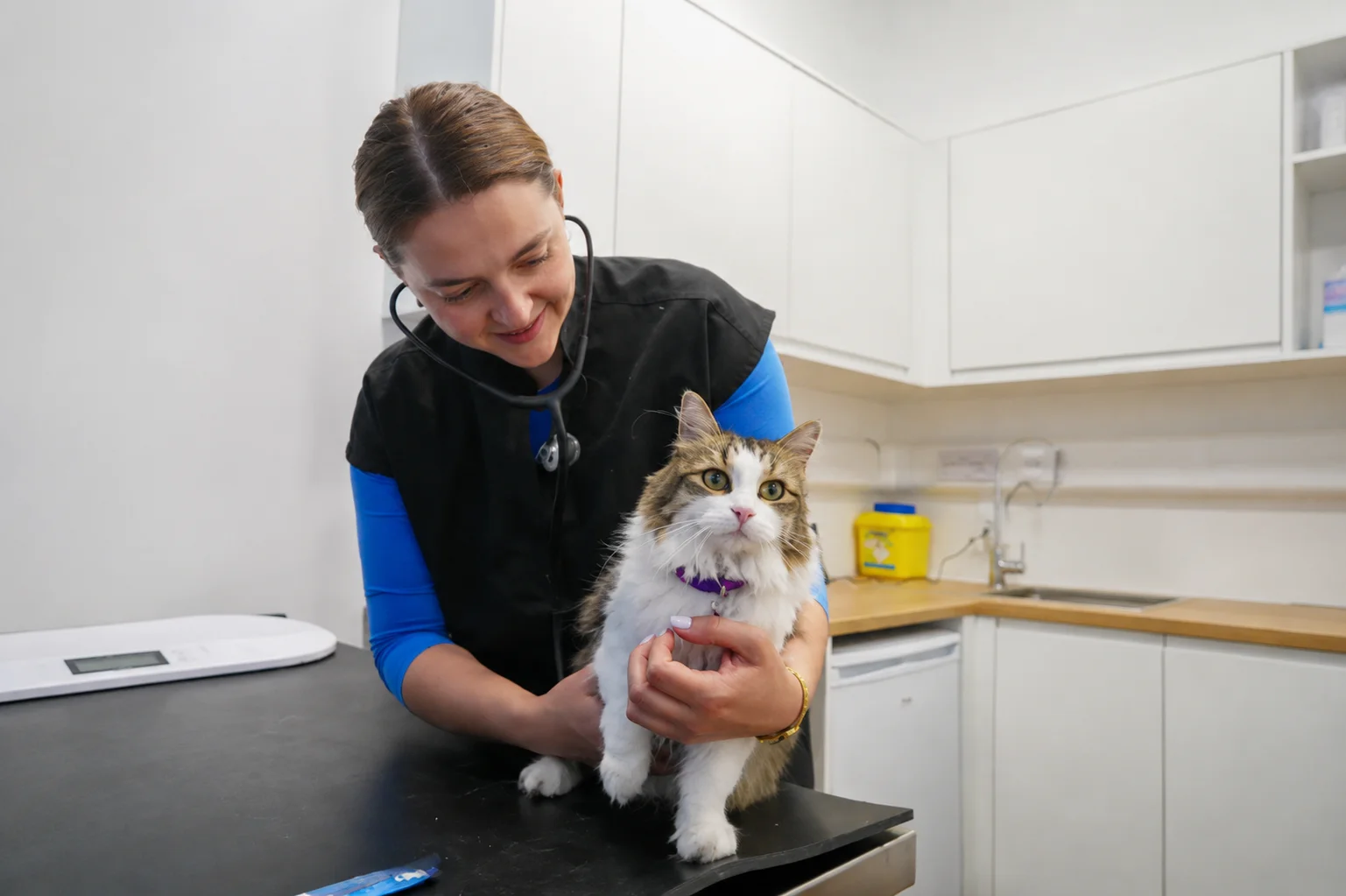
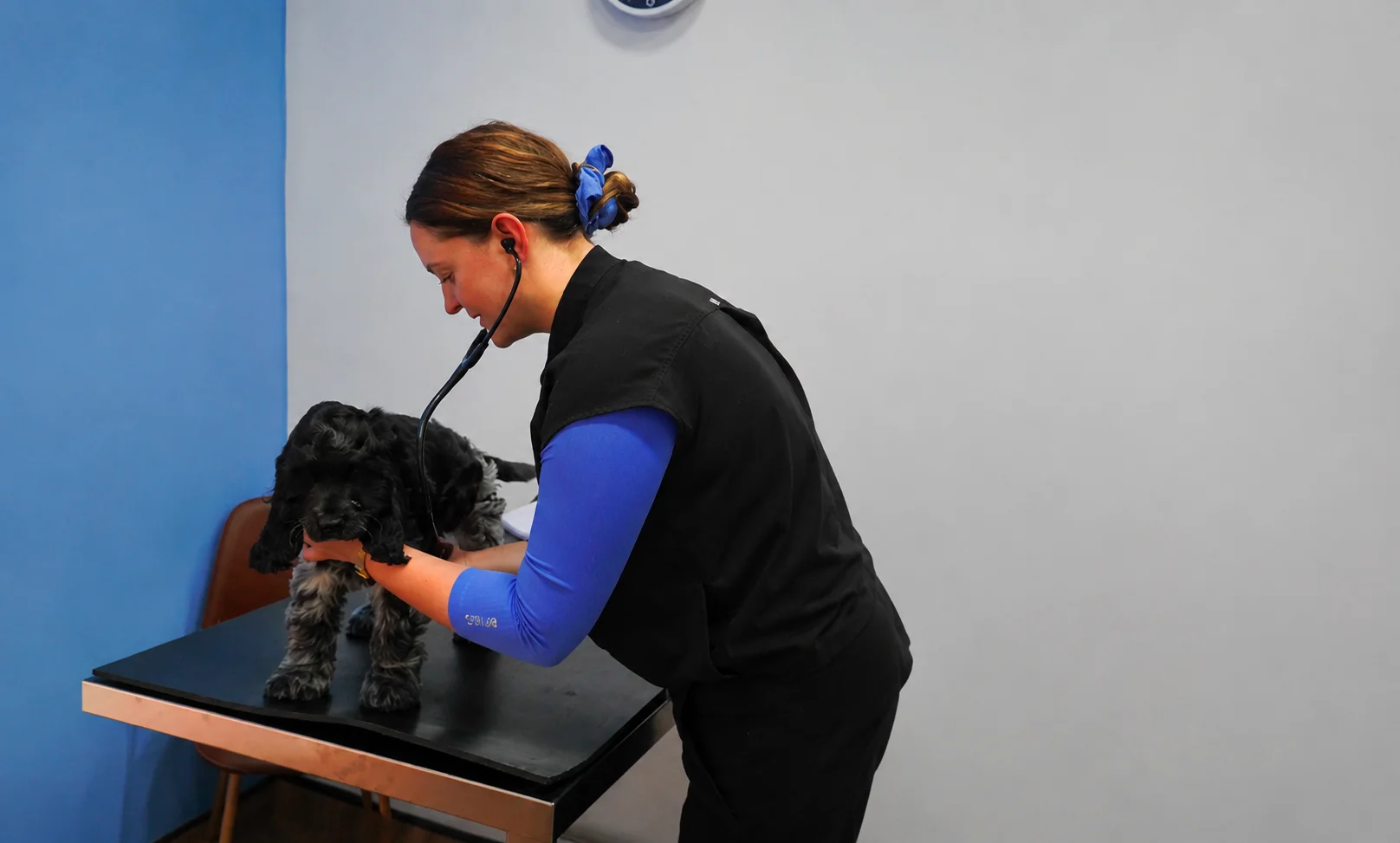
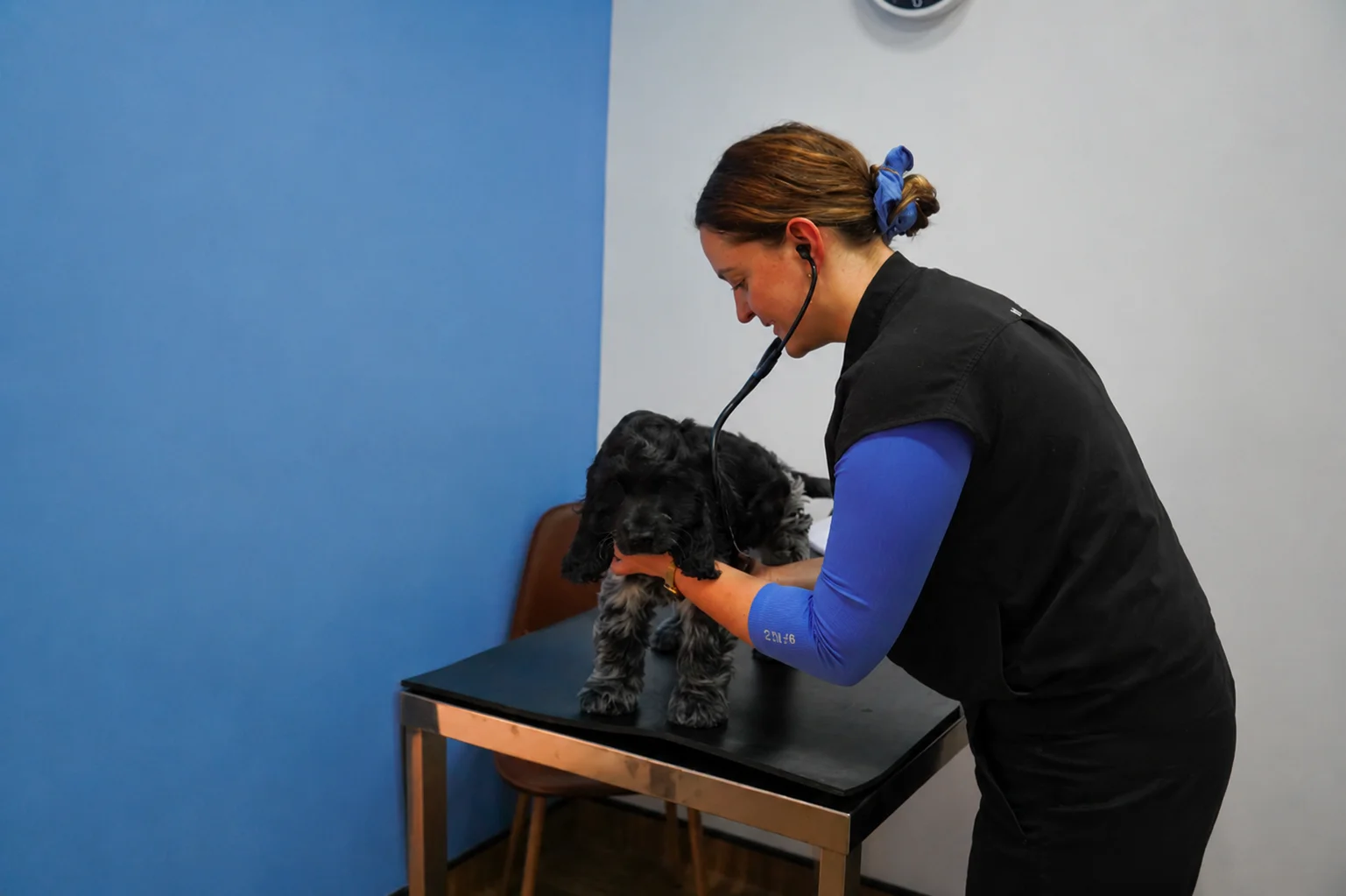
Our veterinary team will perform a physical examination to determine whether your pet’s anal glands are full, impacted, or infected. If necessary, the glands can be carefully expressed to relieve pressure and discomfort.
For pets with infection or abscesses, additional treatment such as medication, flushing of the glands, or further procedures may be recommended. In rare cases of chronic recurring disease, surgical treatment may be discussed.
Preventing Future Problems
Some dogs are naturally more prone to anal gland issues than others. We may recommend:
- A high-quality, fibre-rich diet
- Maintaining a healthy body weight
- Managing allergies or digestive conditions
- Routine veterinary health checks
- Regular monitoring for pets with recurring problems
These measures can reduce the likelihood of future impactions.
Why Choose Bluebell Vets?
- Experienced and caring veterinary team
- Gentle, low-stress handling
- Thorough examination before treatment
- Modern diagnostic facilities
- Personalised treatment plans
- Ongoing support and preventative advice
- Compassionate care for every patient