At Bluebell Vets, our experienced veterinary team provides professional bandage changes to support your pet’s recovery after surgery, injury, or wound treatment. Correct bandage care is essential for protecting wounds, preventing infection, reducing discomfort, and promoting faster healing.
Whether your pet has a surgical dressing, wound bandage, or protective support bandage, we ensure every bandage is changed safely and comfortably while closely monitoring the healing process.
Why Are Regular Bandage Changes Important?
Bandages play a vital role in protecting healing tissues, but they must be checked and replaced regularly to remain effective.
Regular bandage changes help:
- Protect wounds from dirt and bacteria
- Reduce the risk of infection
- Promote faster healing
- Improve comfort during recovery
- Prevent bandages from becoming loose or too tight
- Allow our team to monitor healing progress
When Might Your Pet Need a Bandage Change?
Your pet may require regular bandage changes following:
- Orthopaedic surgery
- Soft tissue surgery
- Wound repair
- Bite injuries
- Lacerations and cuts
- Paw injuries
- Burns
- Skin grafts
- Fracture management
- Abscess treatment
What Happens During the Appointment?
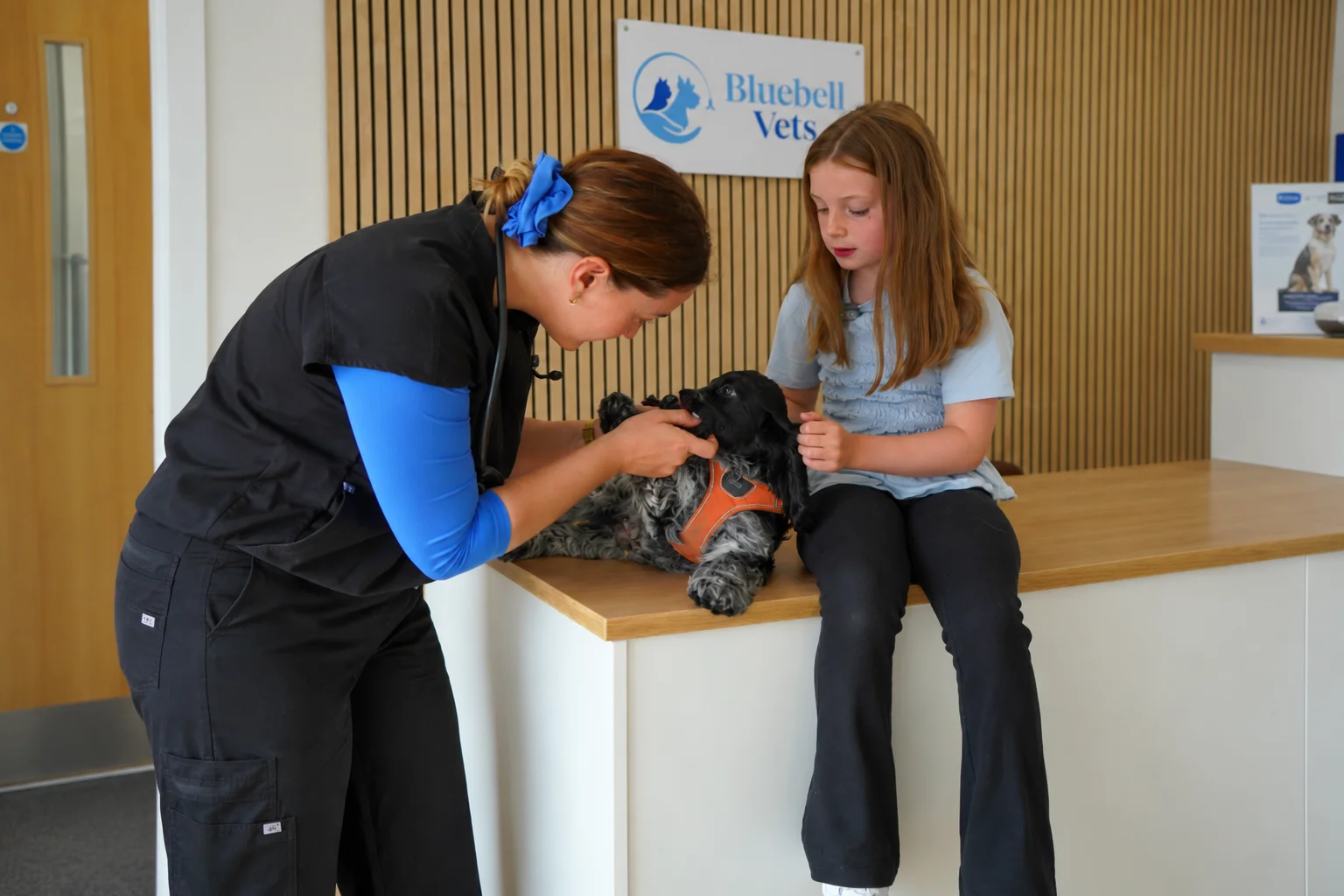
Every bandage change appointment includes a careful assessment of your pet’s injury.
Our veterinary team will:
- Remove the existing bandage carefully
- Examine the wound or surgical site
- Check for signs of healing or infection
- Clean the affected area if required
- Apply fresh sterile dressings
- Fit a new protective bandage
- Ensure the bandage is secure and comfortable
- Provide advice for home care
Monitoring Your Pet’s Recovery
Each visit allows us to monitor your pet’s progress and adjust treatment where necessary.
We check for:
- Healthy wound healing
- Swelling
- Redness
- Discharge
- Pain or discomfort
- Proper circulation
- Bandage fit and stability
If we notice any concerns, we will discuss the next steps and recommend additional treatment if required.
Caring for Your Pet at Home
To help your pet recover successfully:
- Keep the bandage clean and dry.
- Prevent your pet from chewing or licking the bandage.
- Avoid excessive running or jumping.
- Check the bandage daily for slipping or damage.
- Contact us immediately if the bandage becomes wet, loose, develops an unpleasant smell, or your pet appears uncomfortable.
Why Choose Bluebell Vets?
- Experienced veterinary surgeons and nurses
- Gentle, stress-free handling
- Sterile wound management
- Personalised recovery plans
- Modern treatment facilities
- Compassionate post-operative care
- Ongoing monitoring throughout recovery